
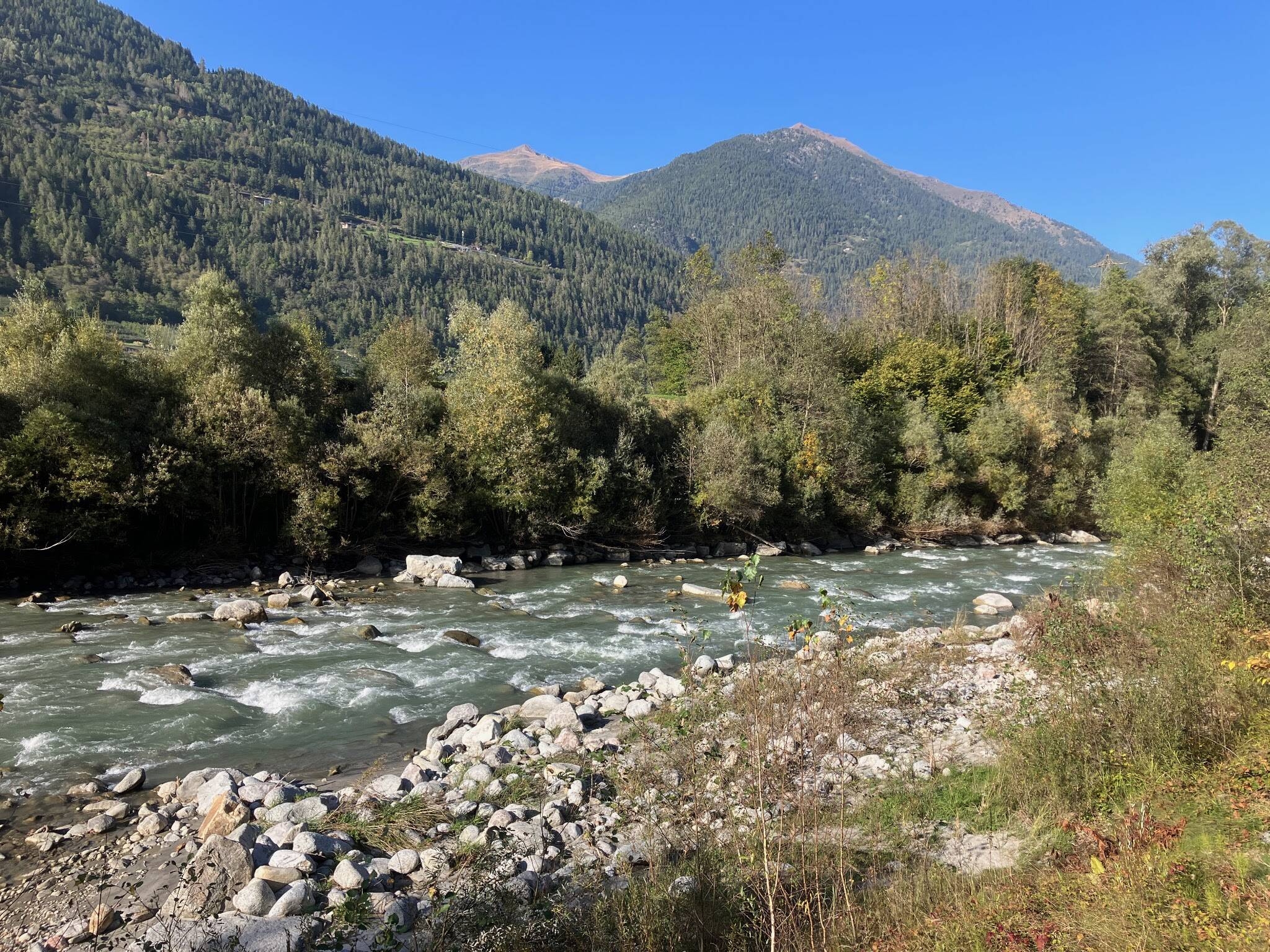

Protecting riparian areas – the transition zones between terrestrial and aquatic ecosystems – requires strategies tailored to the characteristics of individual territories. This is one of the main findings of an international study carried out within the framework of the European project RIPARIANET
and published in the journal Environmental Management. The study also involved Stefano Larsen, researcher at the Computational Biology Research Unit, and Maria Cristina Bruno, researcher at the Hydrobiology Research Unit of the Edmund Mach Foundation.
The survey involved more than 500 researchers, technicians and professionals from five European countries (Italy, Germany, Sweden, Spain and Portugal) with the aim of understanding how riparian areas are perceived, identifying the main threats affecting these ecosystems and defining management priorities.
The results confirm the key role of riparian areas in supporting biodiversity and providing essential ecosystem services, such as flood regulation and water quality protection. At the same time, they highlight how threats and management priorities vary considerably across Europe: from invasive alien species in the Iberian Peninsula, to river morphological restoration in Germany, vegetation management in Alpine areas, and the impacts of droughts and floods in central Italy.
With regard to the Italian Alpine context, the study highlights several issues of particular interest. More than half of the stakeholders surveyed reported being unaware of the Common Agricultural Policy (CAP) measures supporting the restoration of riparian areas, pointing to the need to strengthen information and engagement activities targeting local stakeholders. The survey also shows that invasive alien plants such as Fallopia and Impatiens are now perceived as characteristic elements of local riparian environments, confirming their increasing spread in the Trentino area.
According to the authors, achieving the European Nature Restoration objectives will require strategies tailored to local ecological conditions, greater dissemination of the available support instruments, and closer collaboration between scientific research, institutions and stakeholders.