BRYOMOLECULES esplora il potenziale delle briofite per i settori cosmetico e farmaceutico
PRESS RELEASE
1st April 2026
BRYOMOLECULES aims to uncover natural compounds hidden within bryophytes widely available in Europe. The initiative develops sustainable, cutting-edge approaches to harness bioactive compounds (BACs) from these small plants for applications in cosmetics and pharmaceuticals.
By advancing knowledge and novel applications of bryophytes, the project strives to drive economic growth by creating marketable, patentable bio-based innovations, contributing to the circular economy and supporting the development of sustainable industries in Europe.
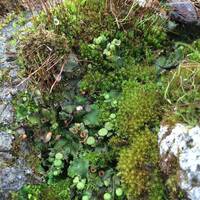
After 18 months of research and collaboration involving academic and industry partners, the BRYOMOLECULES project is making progress in exploring bryophytes, the mosses and liverworts that grow quietly across forests, wetlands, and rocky landscapes.
Watch our documentary to discover the project and its vision.
Collecting and cultivating liverwort and mosses
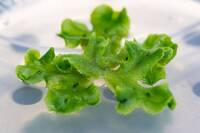
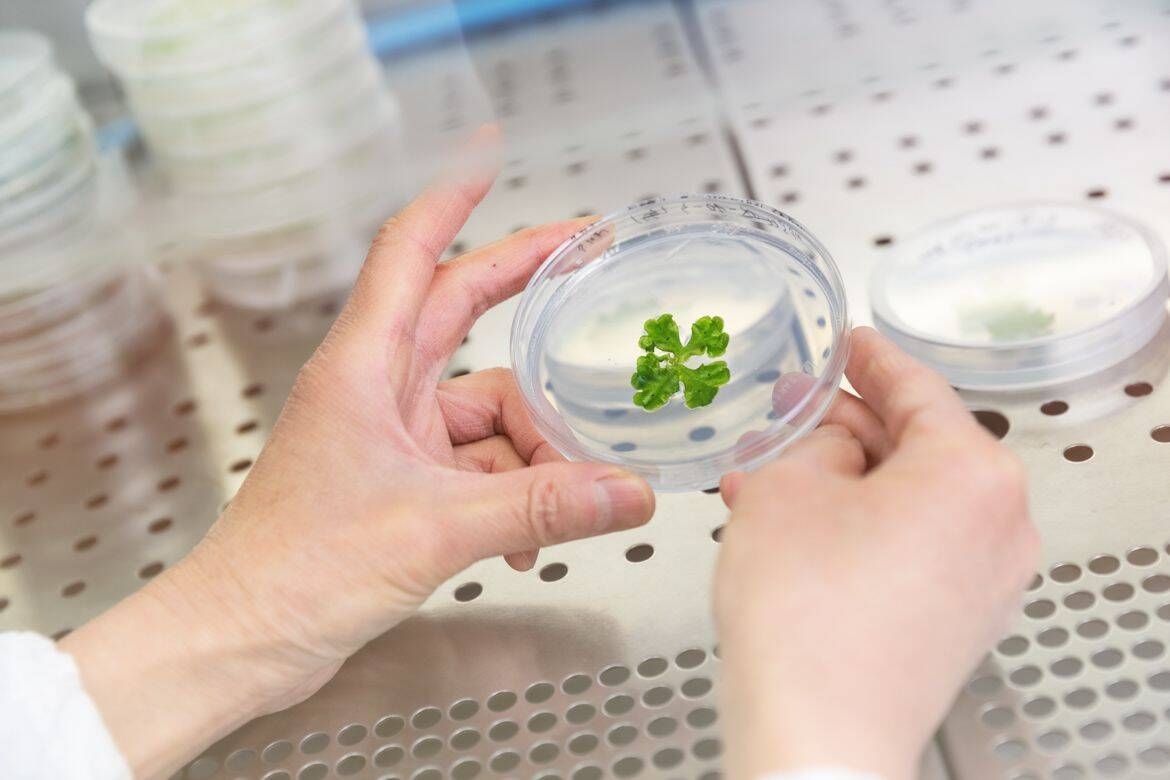
Our partners at Lund University (Lunds Universitet) have established axenic cultures of 50 moss accessions and 50 liverwort accessions, which will serve as the foundation for many of the project’s downstream studies. The selected accessions collection represents a wide diversity of liverwort and moss species, with most of the plant material collected in Sweden, with additional samples gathered in Iceland, the Faroe Islands, and Italy.
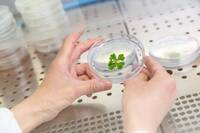
To ensure clean and controlled laboratory conditions, the plant material undergoes a careful sterilisation process before being grown in specialised culture media. These sterile cultures allow scientists to study the plants without interference from other microorganisms. The cultures are maintained under controlled light and temperature conditions, providing a stable resource for future biological and chemical analyses.
Explore the collection of liverworts in our project deliverables:
• D1.1 List of moss accessions
• D1.2 List of new liverworts collected
• D1.3 Inclusion of 40+ axenic liverwort accessions to the bryophyte culture collection
Metabolomic Analysis of Bryophytes
Another important part of the project has been taken on by our partner at the Medical University of Lublin (Uniwersytet Medyczny w Lublinie), where researchers are analysing the chemical composition of moss and liverwort extract samples.
So far, 57 moss accessions (from axenic cultures) and 86 liverwort accessions (49 samples grown in sterile laboratory cultures and 37 collected directly from the wild) have been studied.
The liverwort specimen includes several samples of Marchantia polymorpha, one of the most well-known liverwort species, representing its different subspecies.
Read our publication about Marchantia polymorpha
The plant material is carefully processed to extract its biochemical compounds, which are then analysed using advanced mass spectrometry and chromatography techniques. These methods allow scientists to identify and catalogue the metabolomic profile of the plant samples, meaning the wide range of molecules produced by the bryophytes.
The results are helping researchers build a growing library of bryophyte-derived compounds that may later be investigated for potential use in cosmetics, pharmaceuticals, and other applications.
More details are available in the relevant project deliverables:
•D2.1 Report on phytochemical profile of 50 moss accessions
•D2.2 Report on phytochemical profile of 80 collected liverwort accessions
Mapping bryophyte genetics
In addition to phytochemical studies, the project is also exploring the genetic profile of bryophytes to gain insights into the role of gene activity in how these plants produce their bioactive molecules.
Researchers from the Edmund Mach Foundation (Fondazione Edmund Mach) have produced data referencing the assemblies of 102 bryophyte transcriptomes generated from the Illumina platform. The transcriptome assemblies were reconstructed from raw sequences (RNA-Seq) generated on the Illumina platform, which will be available through the GenBank Short Read Archive, ensuring they can support both current and future research.
Learn more from the deliverables generated by the project:
•D3.1 Raw sequences for 90 bryophyte transcriptomes
•D3.2 Assemblies of 90 bryophyte transcriptomes
Results exploitation
Building on the technical progress, Fondazione Hub Innovazione Trentino (HIT) has advanced the project’s exploitation preparation activities by leading the development of a comprehensive Exploitation Plan. This effort has included a detailed market analysis on natural fragrances and cosmetics, providing in-depth insights into key industry actors and supporting the upcoming external stakeholder engagement plan. Moreover, HIT has established an IPR Management Plan to monitor, in collaboration with the partners, the status of the expected exploitable results: i) optimized liverworts cultivation protocols, ii) methods for sustainable, optimal production/extraction of BACs, iii) BACs biosynthesis in metabolically engineered factories, iv) new bioactive ingredients for the cosmetic and pharmaceutical industry, v) database on novel BACs and biosynthetic genes/pathways and bioprospecting pipeline.
At the halfway point of the project, BRYOMOLECULES has already built an important scientific foundation: collections of cultivated bryophytes, large datasets on their chemistry and genetics,
and an initial understanding of how these plants produce their unique compounds. This foundation is crucial for the future stages of the project, including the assessment of compounds' bioactivity, the enhancement of specific biosynthetic pathways and the identification of specific hit molecules.
Over the coming months, the partners will continue to explore how these discoveries can be translated into sustainable applications for the cosmetic and pharmaceutical sectors.
Moreover, the next phase in the project results’ exploitation plan will involve engaging the different target groups across the value chain, depending on the technological maturity of the project's results, and collaborating with the project partners.
We invite all interested actors to get in touch with us if they are interested in one of the expected results or are curious about the advancement of the research activity!
Partners
•Fondazione Edmund Mach - Project coordinator
•ESF -European Science Foundation
•Fondazione HUB Innovazione Trentino
•Plant Advanced Technologies SA
•Laboratoire Biotechnologies Végétales appliquées aux plantes aromatiques et médicinales (LBVpam)
•Uniwersytet Medyczny w Lublinie